Archives
- 2026-07
- 2026-06
- 2026-05
- 2026-04
- 2026-03
- 2026-02
- 2026-01
- 2025-12
- 2025-11
- 2025-10
- 2023-07
- 2023-06
- 2023-05
- 2023-04
- 2023-03
- 2023-02
- 2023-01
- 2022-12
- 2022-11
- 2022-10
- 2022-09
- 2022-08
- 2022-07
- 2022-06
- 2022-05
- 2022-04
- 2022-03
- 2022-02
- 2022-01
- 2021-12
- 2021-11
- 2021-10
- 2021-09
- 2021-08
- 2021-07
- 2021-06
- 2021-05
- 2021-04
- 2021-03
- 2021-02
- 2021-01
- 2020-12
- 2020-11
- 2020-10
- 2020-09
- 2020-08
- 2020-07
- 2020-06
- 2020-05
- 2020-04
- 2020-03
- 2020-02
- 2020-01
- 2019-12
- 2019-11
- 2019-10
- 2019-09
- 2019-08
- 2019-07
- 2019-06
- 2019-05
- 2019-04
- 2018-07
-
Methods br Results First we compared A plaque number A
2019-07-22
Methods Results First, we compared Aβ plaque number, Aβ concentration, and neurobehavior functions between naive APP/PS1 and APP/PS1xEP1−/− mice. Significantly lower Aβ burden in APP/PS1xEP1−/− mice was evidenced by fewer plaques in the hippocampal area and a lower concentration of soluble Aβ42
-
The synthesis of compounds a and b are
2019-07-22
The synthesis of compounds 7a and 7b are outlined in Scheme 2. Compound 5 was obtained by di-tert-butyl pyrocarbonate protection of OTX-015 4a. Then, compounds 6a and 6b were obtained by amination of the fluoride with a morpholino and dimethylamine, respectively. Target compounds 7a and 7b were obt
-
Concerning family A GPCRs although it
2019-07-22

Concerning family A GPCRs, although it has been described that several receptors are able to operate as monomers (Arcemisbéhère et al., 2010; Bayburt et al., 2011; Chabre & le Maire, 2005; Ernst, Gramse, Kolbe, Hofmann, & Heck, 2007; Hanson et al., 2007; Kuszak et al., 2009; Whorton et al., 2007), e
-
The data from the Sur lab
2019-07-22
The data from the Sur lab have showed DNA-PK is involved in metabolic gene regulation in response to insulin. DNA-PK regulates fatty LOXO-101 for synthesis by modulating the protein expression of fatty acid synthase (FAS) in a feeding-dependent manner. DNA-PK induces the activation of Upstream Stimu
-
Some family I DNA ligases
2019-07-22
Some family I DNA ligases can use dATP as nucleotide cofactor. For instance, human Go 6976 is I uses dATP with a catalytic efficiency that is only 36-fold lower in comparison to ATP [9]. EhDNAlig is unable to use dATP as a nucleotide cofactor, indicating a more constrained active site in comparison
-
The larger eukaryotic ligases such as LigI
2019-07-22
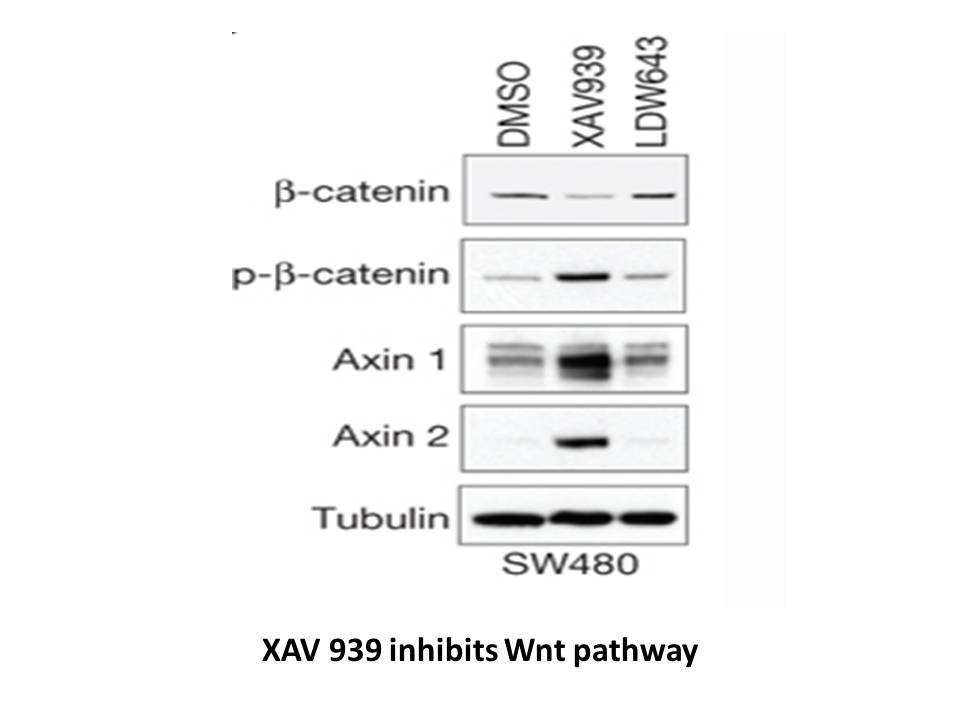
The larger eukaryotic ligases, such as LigI and LigIV, also possess an additional N-terminal DNA-binding domain (DBD) that is required for efficient ligation (Fig. 1c) and enables these ligases to encircle DNA [17]. An equivalent helix–hairpin–helix domain is also present in the bacterial NAD-depend
-
The results described in the
2019-07-22
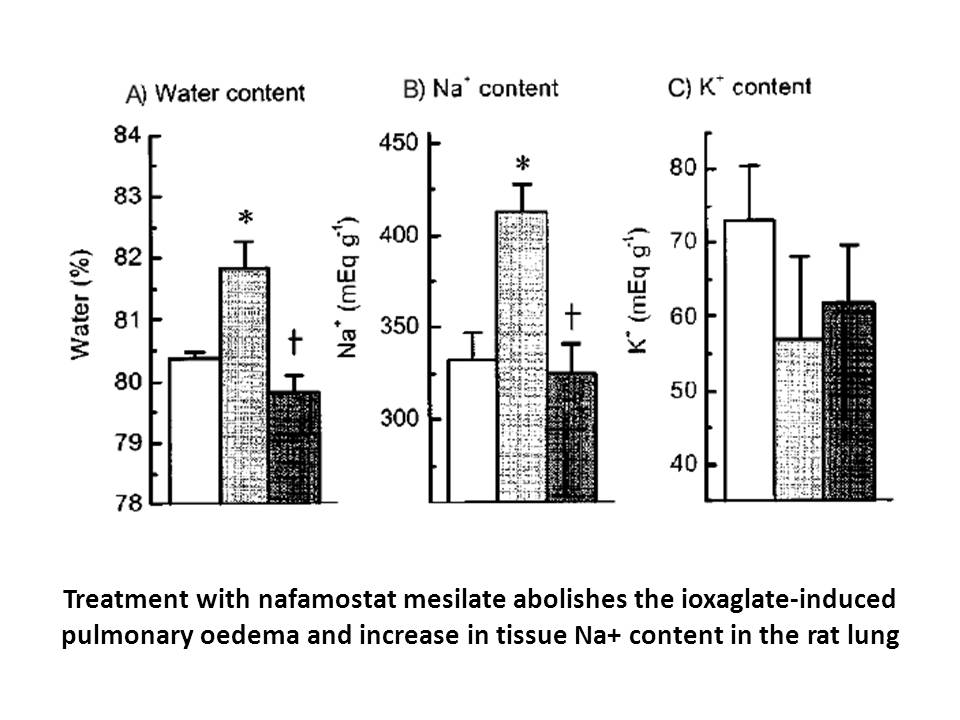
The results described in the present study confirm key restrictions on reaction conditions which must considered to maximize reactor productivity. Increased viscosity should be avoided for the amination of ketones by L-AmDH, as a 4-fold increase in viscosity can lower the reaction rate by as much as
-
Bafetinib where br Limitations There are some limitations to
2019-07-22
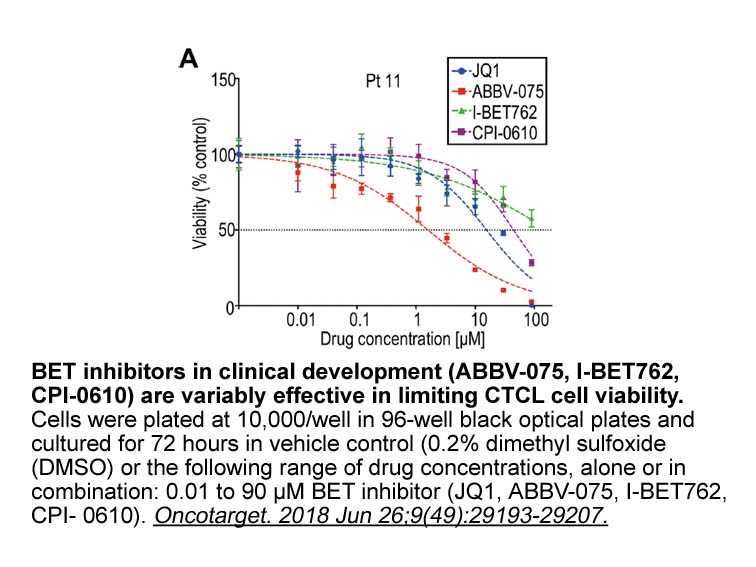
Limitations There are some limitations to take into account when interpreting these results. Firstly, direct causation cannot be established in this cross-sectional study, and it may be the downstream effects of TNFα, such as increased Bafetinib where production, which are more proximally relate
-
br Role of cysLT signaling on various neurological
2019-07-22
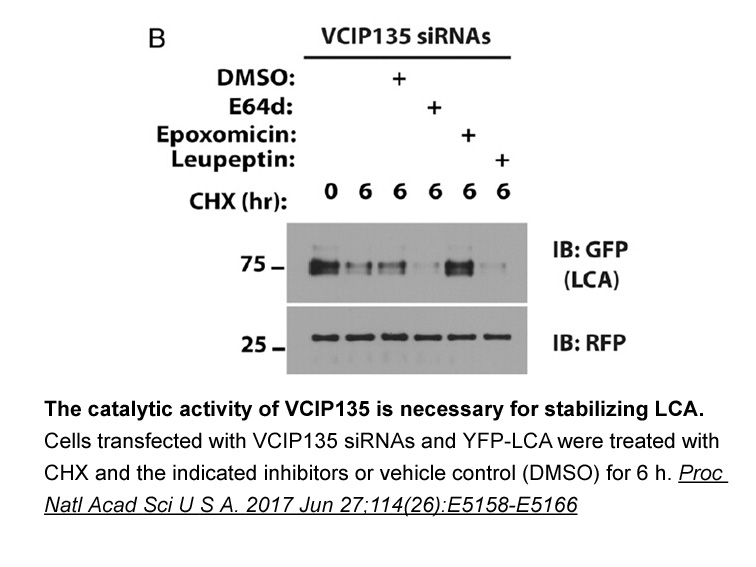
Role of cysLT signaling on various neurological complications which are associated with Alzheimer’s disease Alzheimer’s disease, first described in 1906 by Alois Alzheimer, is a neurodegenerative disease and a very common cause of dementia progressively leading to death. Even though years of rese
-
br Conflicts of interest br Acknowledgements
2019-07-22
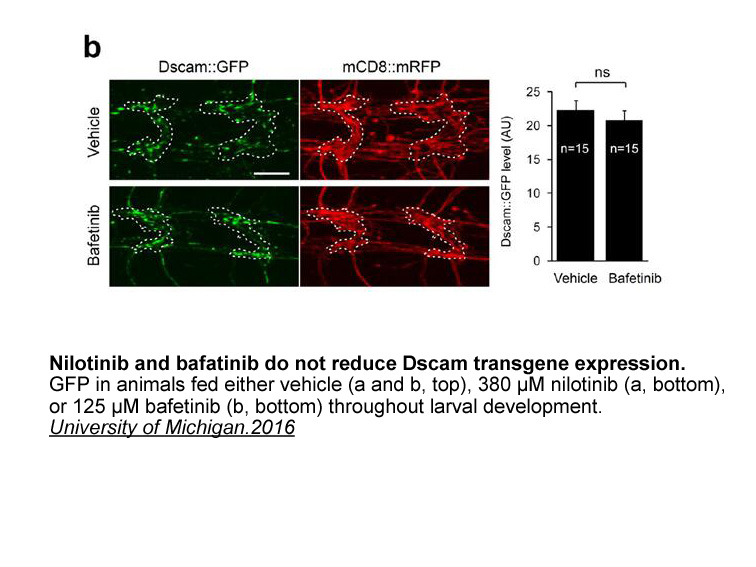
Conflicts of interest Acknowledgements This work was supported by funding from Young Sanjin Scholars Distinguished Professor, the Aid Program for Innovation Research Team in Shanxi Agricultural University (CXTD201201), and the Special Fund for Agro-scientific Research in the Public Interest of
-
A number of immune relevant genes
2019-07-22

A number of immune-relevant genes have been studied to explore the immunologic mechanisms in large yellow croakers; however, the chemokine receptor CXCR family has never been studied in this organism. Chemokines are a large superfamily of chemotactic cytokines that are utilized to direct the traffic
-
Linsitinib Introduction Eicosanoid lipid prostaglandin D PGD
2019-07-22
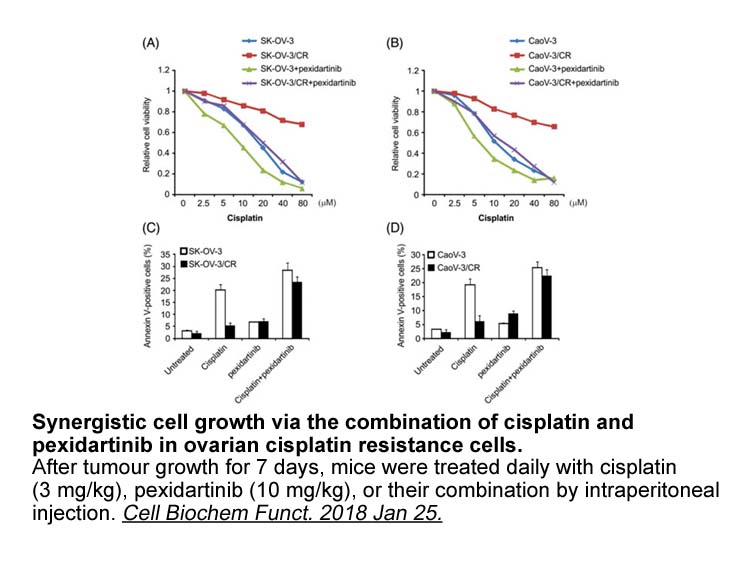
Introduction Eicosanoid lipid prostaglandin D2 (PGD2) is the major prostaglandin produced by activated mast Linsitinib (Lewis and Austen, 1981). The physiological function of PGD2 is mainly mediated by two G protein-coupled receptors (GPCRs), PGD2 receptor 1 and 2 (DP1 and DP2), which share modest
-
Various domains of the HSA
2019-07-22
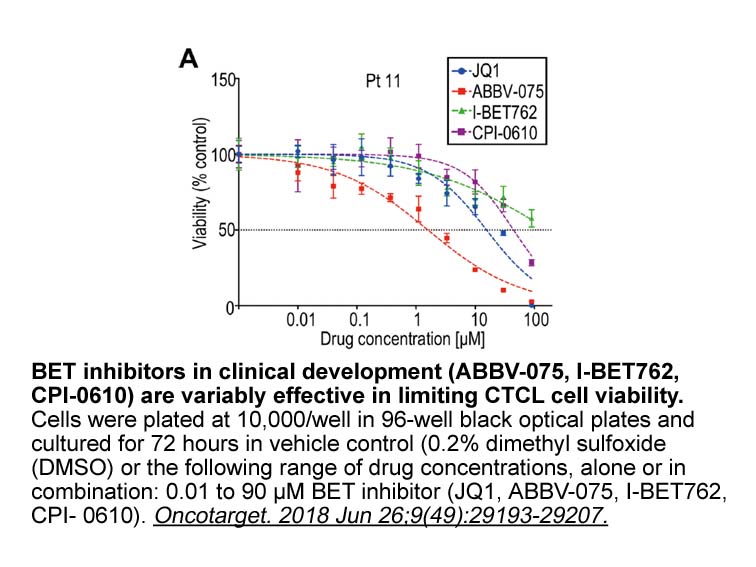
Various domains of the HSA molecule have also been used to make bioconjugates with increased stability, better targeting properties, and/or extended half-lives in blood. For example, domain I of HSA has been used in the preparation of antibody conjugates. This was achieved through the use of a cyclo
-
The full length human CPG protein
2019-07-22
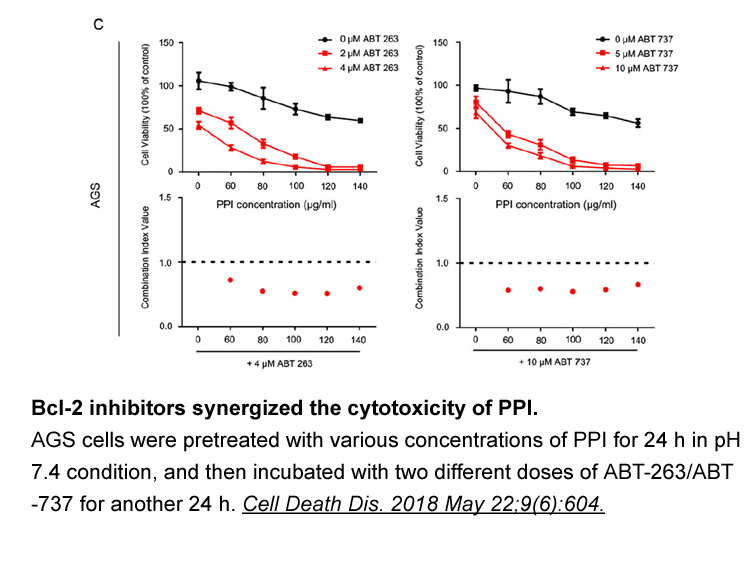
The full-length human CPG2 protein is expressed in CNS tissue with the highest expression in the neocortex, hippocampus and striatum, consistent with mRNA localization patterns of the rat Cpg2 homolog (Cottrell et al., 2004). In the rat, the CPG2 protein localizes primarily to the postsynaptic endoc
-
Following Duncan as a ritualized site
2019-07-22
Following Duncan (1995), as a ritualized site Tyne Cot provides an opportunity for individual tourists to conduct their own acts of remembrance (Edensor, 2000, Iles, 2006). The analysis has also shown that individual acts of writing particular words and phrases in the visitor books are socially shar
11463 records 717/765 page Previous Next First page 上5页 716717718719720 下5页 Last page