Archives
-
It is well accepted that PKA is a key
2023-01-02
It is well accepted that PKA is a key enzyme activated at the beginning of the capacitation process [69]. As mentioned above phosphorylation/inactivation of cofilin in sperm is a PKA dependent process [58]. We could not see any change in cofilin phosphorylation level by adding the PKA activator 8Br-
-
br Acknowledgments br Introduction Hypospadias is a
2023-01-02
Acknowledgments Introduction Hypospadias is a common congenital malformation in males, in which the urethral orifice is found on the ventral side of the penis as a result of incomplete fusion of urethral folds. The mean prevalence in per 10,000 live births from 1910 to 2013 were: Europe 19.9,
-
The altered frequency of CD T cells in
2023-01-02
The altered frequency of CD4+ T (S)-10-Hydroxycamptothecin in 5-LO−/− mice led us to hypothesize that these leukocytes could be exerting a primary control of the inflammatory response. In fact, the lack of 5-LO resulted in the accumulation of CD4+CD25+ cells expressing Treg markers. It is plausible
-
nuciferine br Materials and methods br
2023-01-02
Materials and methods Results Discussion The brain is endowed with the 5-LOX enzymatic system (Lammers et al., 1996, Lindgren et al., 1984), but its physiological and pathological roles are still not clear. Inflammation is a characteristic of many neurodegenerative diseases such as Alzheime
-
LO is a soluble kDa enzyme composed
2023-01-02
5-LO is a soluble 78 kDa enzyme, composed of an α-helix-rich catalytic domain and a regulatory β-sheet-rich C2-like domain. Depending on the cell type, 5-LO may be located in the cytosol, in the nucleoplasm, or in both compartments (Werz, 2002). Upon cell stimulation by agents that elevate intracell
-
Application of the broad acting HTR antagonist methiothepin
2023-01-02
Application of the broad-acting 5-HTR antagonist methiothepin (Bard et al., 1996, Hoyer et al., 1994, Peroutka, 1990) converted the TBS-induced response of both thalamocortical and intracortical A1 synapses from LTP to LTD, an effect that was mimicked by the selective 5-HT2R antagonist ketanserin (L
-
Taking together findings from our study and that from
2023-01-02
Taking together findings from our study and that from the literature, we propose a model (to be experimentally confirmed) of possible intracellular mechanism of NA-induced regulation of Na-K ATPase subunit expression (Fig. 8). NA acting on α1-AR modulates the α1- and α3-subunit expressions of Na-K A
-
Then Autodock was employed for
2022-12-29
Then, Autodock4.2 was employed for site directed docking on AD with the ligands of the cluster(s) having high binding affinities in VS II experiment (Morris et al., 2009). Docking protocols were followed as per our earlier report with 200 GA (genetic algorithm) run (Kalani et al., 2015). Likewise, l
-
However one should keep in mind that
2022-12-27
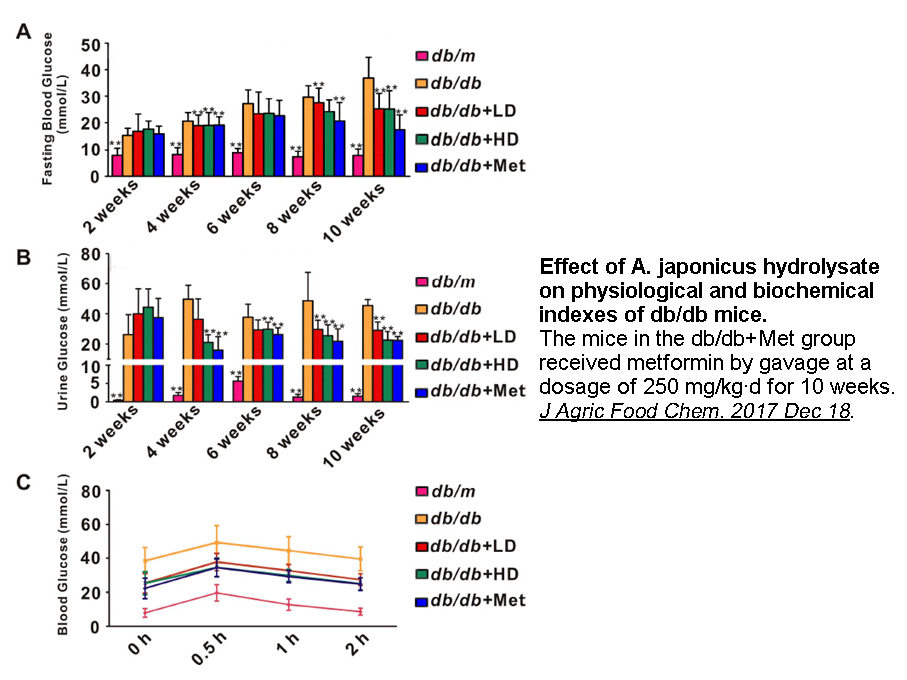
However, one should keep in mind that these results may not reflect exactly in vivo antioxidant activity. Many other issues such as absorption, metabolism and physicochemical properties of different antioxidants must also be considered (Prior et al., 2007, Wu et al., 2004). Some research groups are
-
In the early s in addition to above mentioned plant
2022-12-27
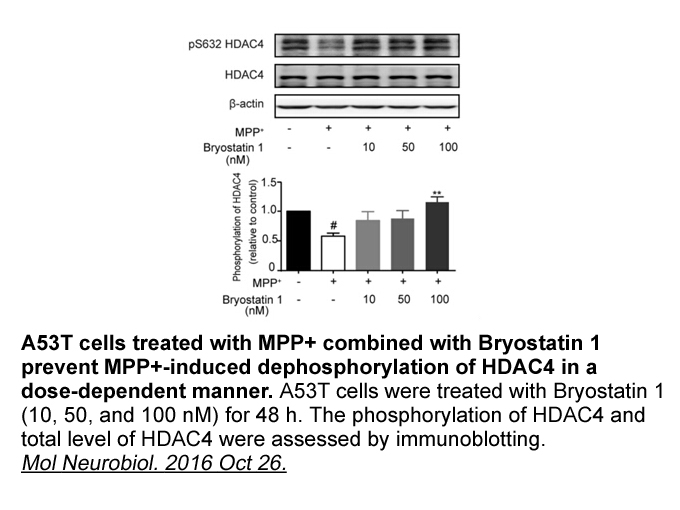
In the early 2000s, in addition to above-mentioned plant derived compounds, several peptide fragments from protein sources (e.g. gelatin, egg yolk, meat, fish, chicken, legumes) have been also confirmed as potential natural antioxidants and extensive studies about bioactive peptides have been conduc
-
Amyloid fibrils are insoluble high molecular
2022-12-23
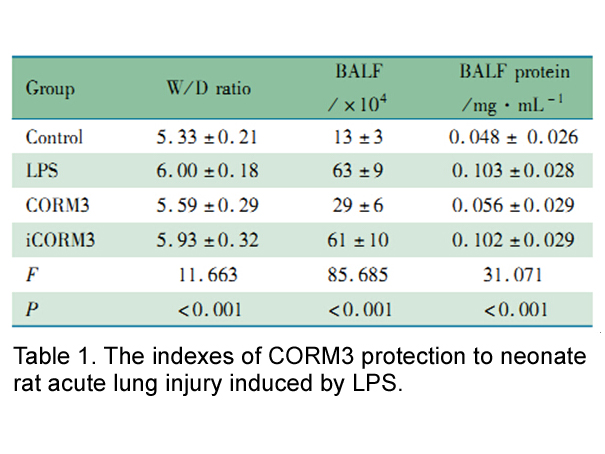
Amyloid fibrils are insoluble, high-molecular-weight, non-crystalline aggregates and traditional experimental techniques for structure determination such as X-ray and solution NMR cannot resolve their high resolution structures [64], [68]. However, amyloid fibrils exhibit various advantageous featur
-
Introduction Increasing environmental pollution caused by he
2022-12-22
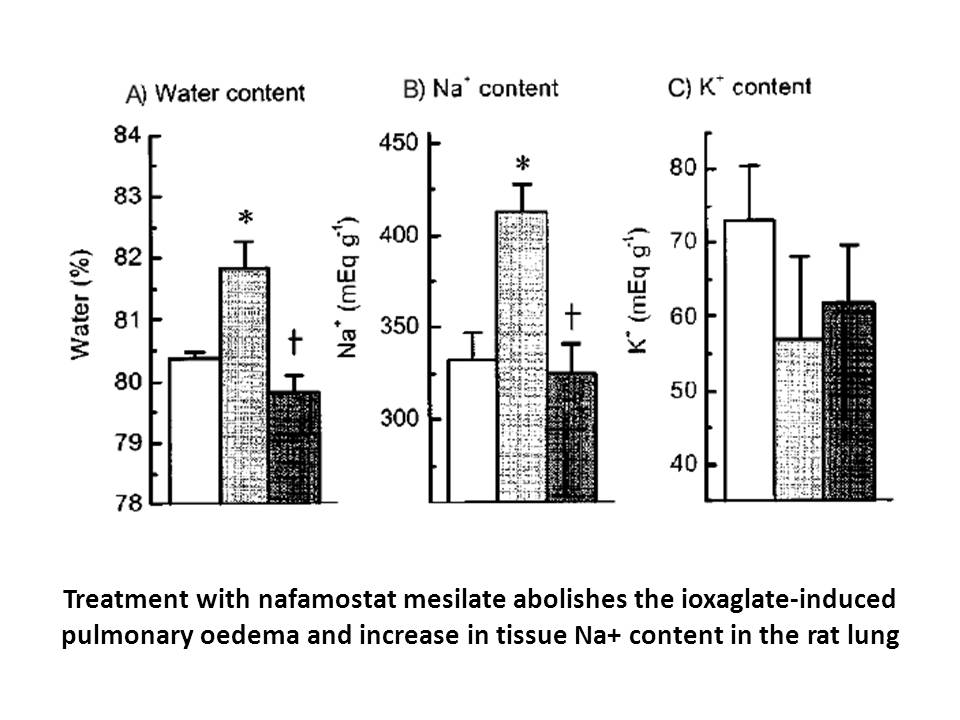
Introduction Increasing environmental pollution caused by heavy metals, originating mainly from industrial processes and urban activities, as well as the widespread application of pesticides, fertilizers, manure and sewage sludge, has posed a serious problem for safe food production and become a po
-
br Conflict of interest br Introduction The Piezo proteins P
2022-12-21
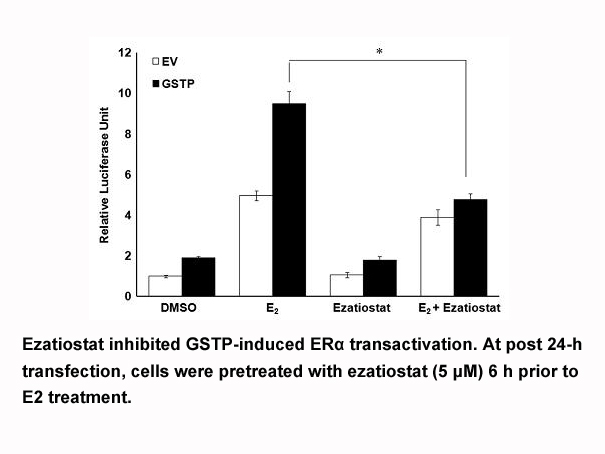
Conflict of interest Introduction The Piezo proteins, Piezo1/FAM38A and Piezo2/FAM38B, are multi-pass transmembrane proteins that have been identified as mechanically-activated (MA) homomultimeric, pore-forming ion channels [1,2]. Piezo1 is broadly expressed with its highest expression in blad
-
Gratifyingly compound also demonstrated improved
2022-12-21
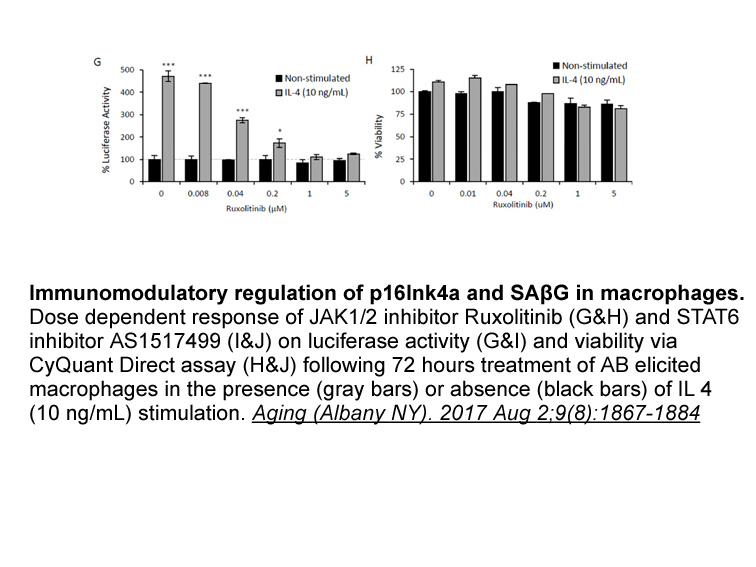
Gratifyingly, compound also demonstrated improved physicochemical properties with significant improvement in aqueous solubility. Compound was sufficiently potent to determine its pharmacokinetic (PK) and pharmacodynamics (PD); data is summarized in . shows ADME characteristics for compound and
-
AhR was proven to participate
2022-12-21

AhR was proven to participate in carcinogenesis. Its high expression was demonstrated in a variety of tumors, i.e. pancreatic, prostate, urinary tract, lung and papillary thyroid carcinoma (Safe et al., 2013, Mian et al., 2014). However, cell line studies showed variable AhR levels/responses. AhR kn
3713 records 78/248 page Previous Next First page 上5页 7677787980 下5页 Last page